12 Pinterest Viral Fashion Ideas

Click-Worthy Couture: How to Turn Outfits into Viral Pins
Why Pinterest is a Goldmine for Fashion Marketing
Pinterest is more than just a mood board—it’s a visual search engine with over 400 million active users, many of whom are actively seeking fashion inspiration. For fashion brands, this creates a massive opportunity to turn outfit content into viral, traffic-driving pins. Unlike other platforms, Pinterest content has a longer lifespan, meaning your pins can keep generating clicks and engagement for months. High-quality visuals, smart keyword optimization, and well-structured boards can increase your brand’s visibility and authority. By focusing on aesthetics and trend-driven design, marketers can attract fashion-savvy users who are in a discovery mindset. Use SEO-rich terms like “outfit ideas,” “Pinterest fashion trends,” and “capsule wardrobe inspiration” to reach the right audience and boost searchability.
Crafting the Perfect Fashion Pin
To create viral-worthy fashion pins, consistency in branding, imagery, and messaging is key. Begin with professionally styled photos that showcase the outfit clearly—flat lays, model shots, and seasonal themes perform well. Add compelling, keyword-optimized titles and descriptions to improve discoverability. Use vertical pin formats and include call-to-actions like “Shop the Look” or “Pin Now, Style Later.” Rich pins with price tags or product details increase click-through rates and conversions. Create themed boards such as “Summer Outfit Inspo” or “Minimalist Street Style” to group your content in an engaging way. Collaborate with influencers and repurpose UGC to add authenticity and community appeal. With the right strategy, Pinterest becomes more than just inspiration—it becomes a powerful style-driven sales funnel.
1. Click-Worthy Couture: Turning Outfits into Viral Pins
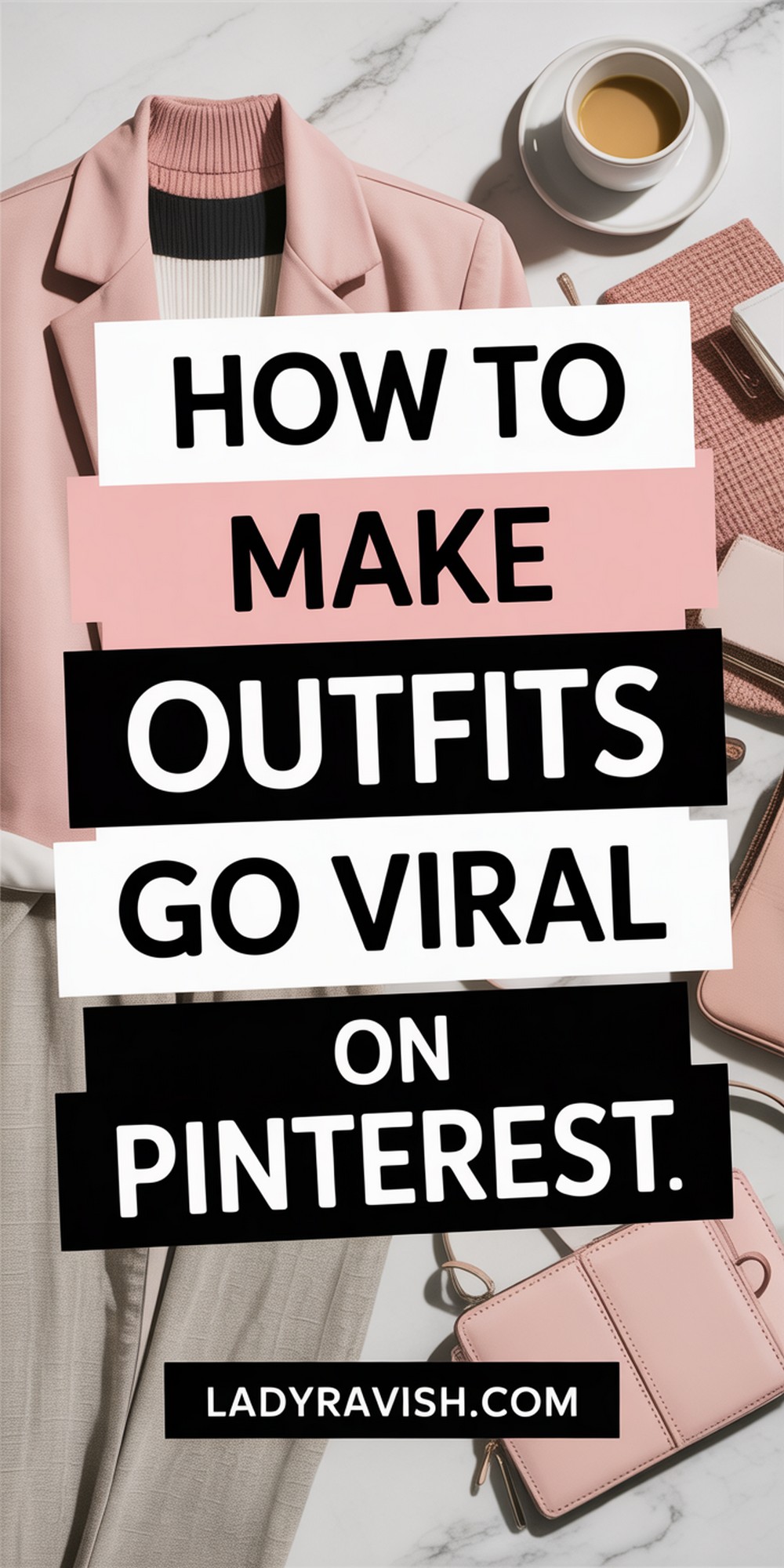
Fashion brands are tapping into Pinterest’s visual-first platform to turn outfits into viral pins that inspire and sell. By designing content that is both aesthetic and keyword-optimized, marketers can boost reach and conversions. Think curated lookbooks, seasonal flat-lays, and editorial-style outfit breakdowns that encourage pinning and repinning. Use Pinterest-friendly SEO keywords like “Pinterest outfit ideas,” “aesthetic wardrobe,” and “fashion pin inspiration” to increase discoverability. Consistent pinning, brand-aligned visuals, and pin-worthy call-to-actions are turning Pinterest into a fashion funnel. Brands that embrace this visually rich platform are driving traffic, growing communities, and turning everyday looks into must-save moments. It’s about creating fashion that’s not just worn — but pinned, saved, and shared.
2. Style Meets Scroll: The Rise of Shoppable Reels
Shoppable reels are reshaping how fashion is discovered and purchased on social platforms. These short, punchy videos allow users to explore and buy outfits directly from their feeds. Brands use storytelling, quick styling tips, and influencer demos to craft engaging, conversion-focused content. Pinterest, Instagram, and TikTok reels now offer in-reel shopping features, turning curiosity into immediate sales. SEO-rich captions using keywords like “shop the look,” “reel outfit ideas,” and “fashion video shopping” drive discoverability. Shoppable reels also shorten the customer journey, making impulse buys easier than ever. This trend blends content and commerce seamlessly, making fashion marketing more interactive and user-driven. The reel scroll is the new runway.
3. Eco-Chic is the New Black: Marketing with Sustainability in Mind
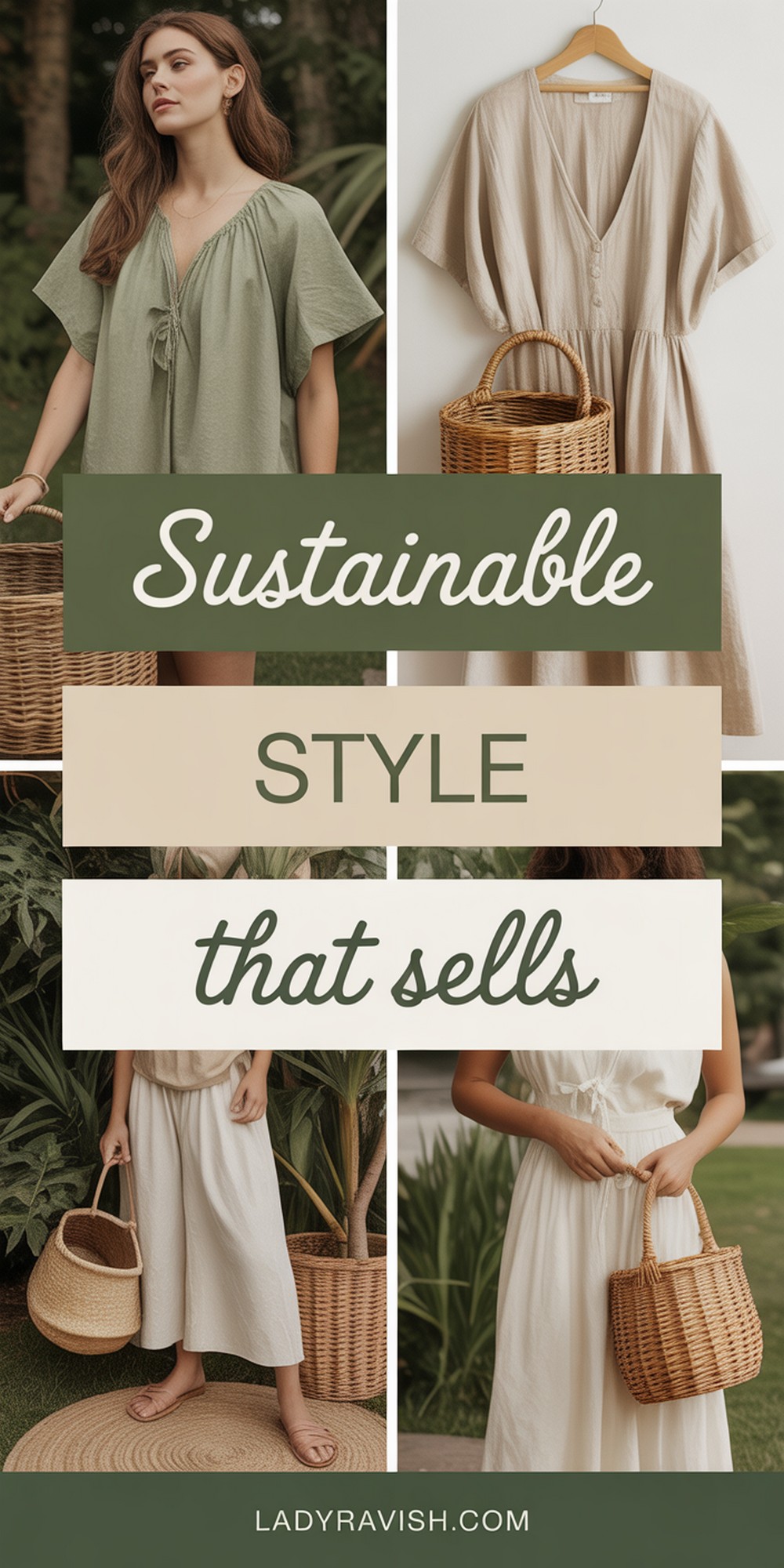
Sustainable fashion isn’t a trend—it’s a movement, and it’s reshaping how fashion is marketed. Today’s eco-conscious shoppers want brands to be transparent about materials, production, and values. Marketers are showcasing slow fashion, zero-waste processes, and upcycled designs in their campaigns. Pinterest-friendly formats include green fashion boards, behind-the-scenes videos, and conscious consumer guides. SEO-friendly phrases like “sustainable outfits,” “eco-friendly fashion,” and “ethical wardrobe ideas” increase reach and relevance. Consumers are increasingly aligning their shopping habits with their ethics, making sustainability a core marketing pillar. Brands that highlight values alongside visuals foster trust and loyalty. It’s no longer just about how it looks—it’s about how it’s made.
4. Micro-Influencers, Major Style Impact
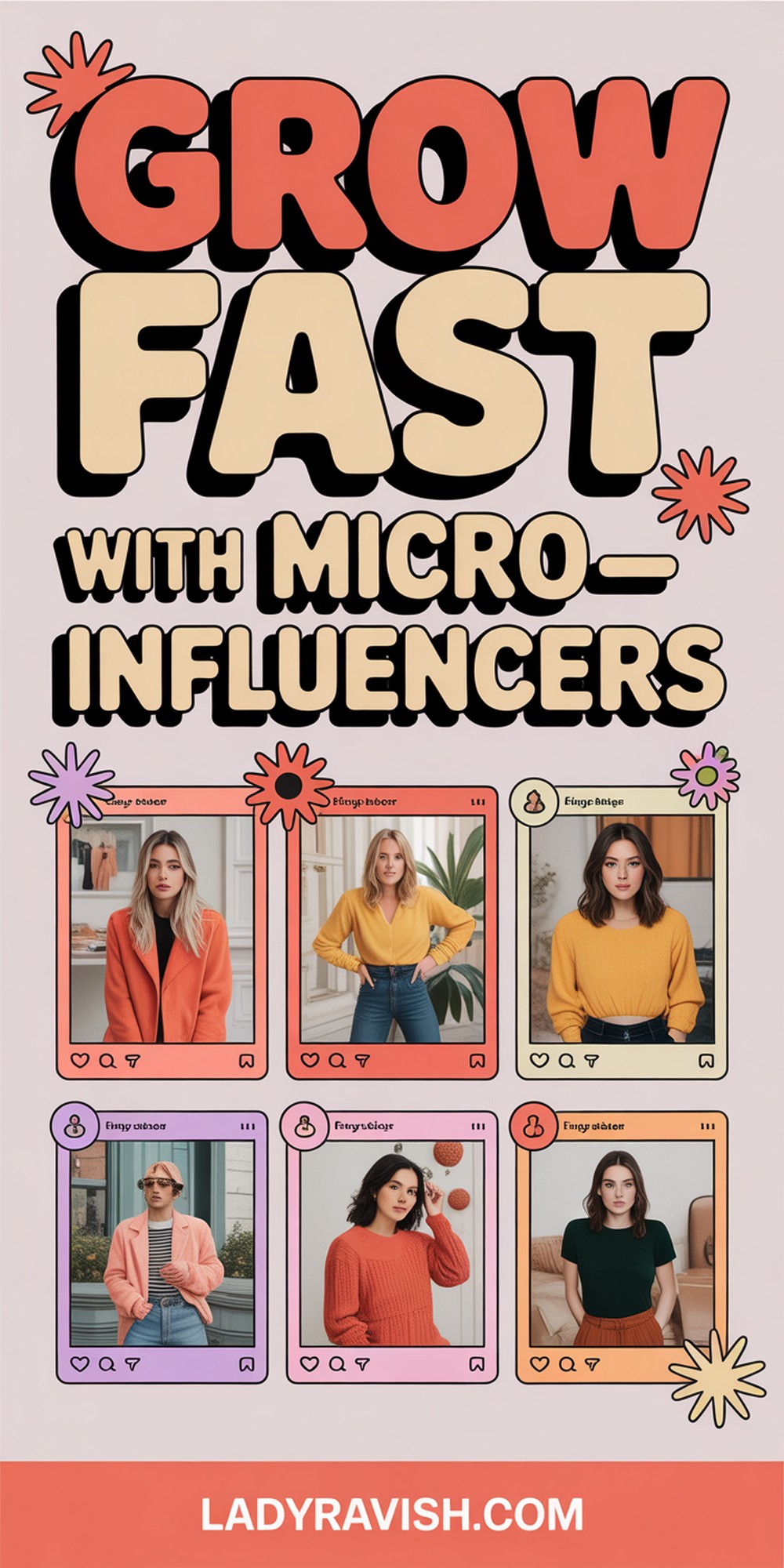
Micro-influencers are transforming the fashion industry with their authenticity, niche reach, and loyal followers. Unlike celebrity influencers, they foster tight-knit communities, making their recommendations more trusted and impactful. Fashion brands are partnering with micro-influencers to co-create content, run giveaways, and launch limited drops. Pinterest showcases these collaborations beautifully through styled boards, real-life lookbooks, and day-in-the-life outfit guides. Use keywords like “micro-influencer style,” “real fashion inspiration,” and “everyday outfit ideas” to boost SEO. These influencers create more relatable content, making their impact stronger despite smaller followings. In today’s fashion marketing, connection beats clout. Collaborating with micro-influencers is smart, cost-effective, and community-driven.
5. From Runway to Real Life: UGC is Ruling Fashion Feeds
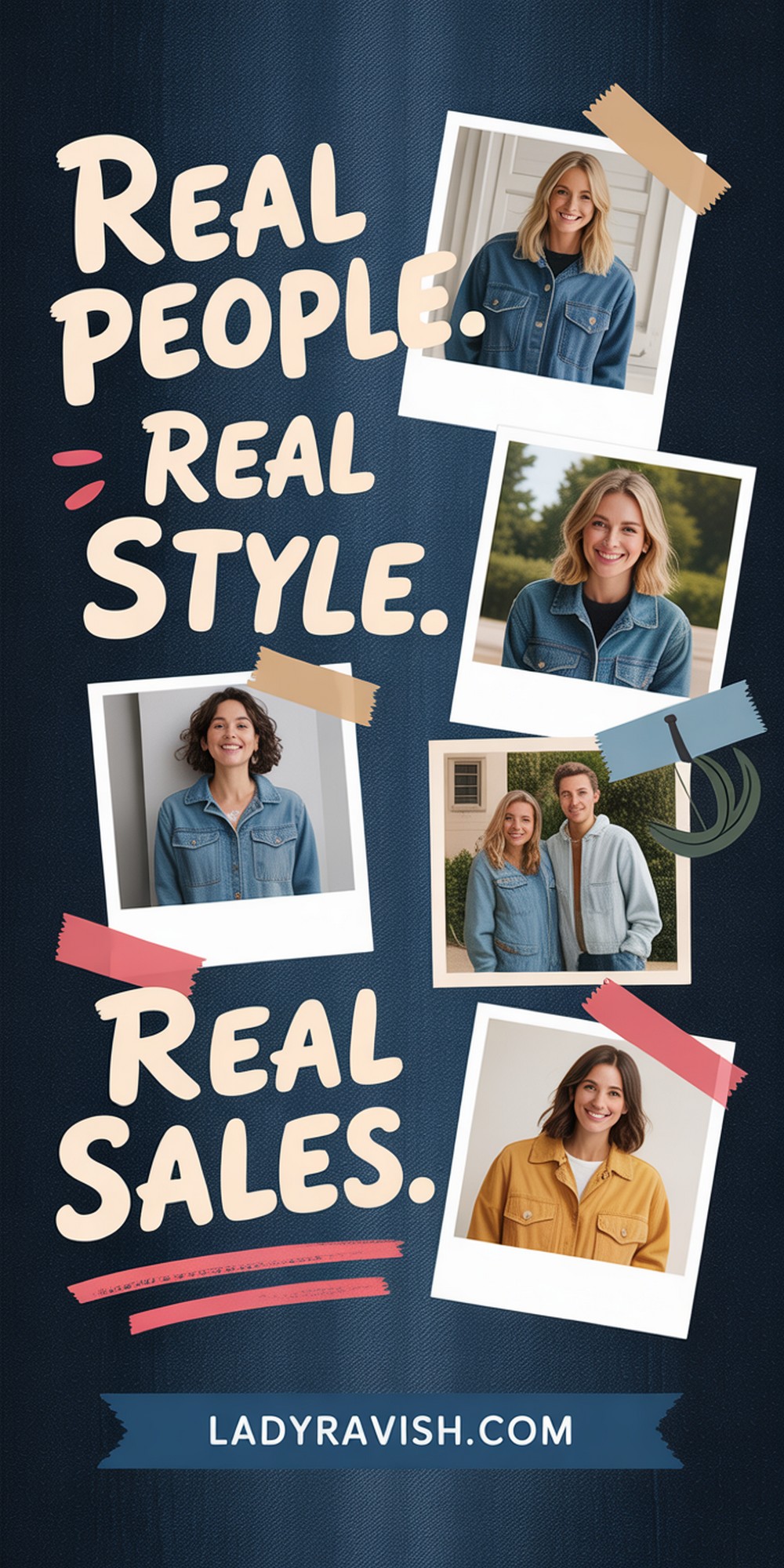
User-generated content (UGC) is a game-changer in fashion marketing. Shoppers trust real people more than polished ads. By showcasing customers styling your pieces in everyday life, brands build authenticity and trust. Pinterest thrives on UGC—think customer outfit boards, repinned testimonials, and street-style snapshots. Encourage buyers to share content using branded hashtags and feature their looks on your profile. SEO keywords like “real outfit ideas,” “UGC fashion,” and “customer style photos” help increase visibility. This approach not only deepens customer relationships but also generates free, engaging content that drives sales. UGC turns your buyers into brand ambassadors—and that’s a marketing win.
6. Retro Revival: Nostalgia Marketing That Sells
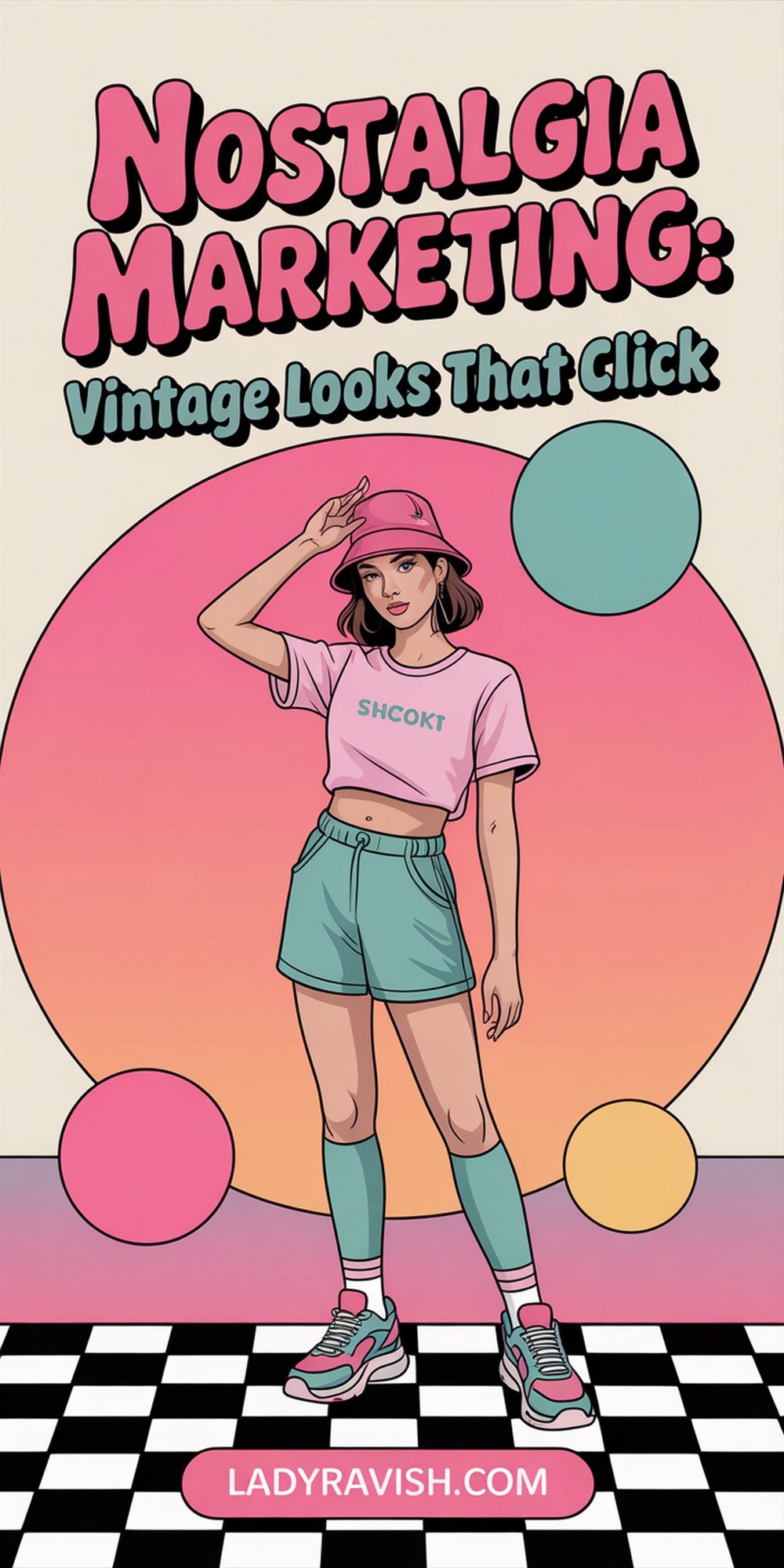
Nostalgia is a powerful marketing tool—especially in fashion. From Y2K trends to 90s minimalism and 80s glam, retro revivals strike an emotional chord with Millennials and Gen Z. Pinterest is bursting with throwback fashion boards, giving marketers an ideal space to showcase vintage-inspired collections. Incorporate era-specific hashtags and keywords like “Y2K fashion,” “90s outfit ideas,” and “vintage lookbook” for search-friendly visibility. Retro-inspired content can include side-by-side recreations, pop culture references, or influencer throwback hauls. Nostalgia builds connection, and connection drives clicks. It’s not just a style—it’s a feeling. Smart brands are reviving the past to inspire the future of fashion.
7. Try-On Hauls Go High-Tech with AR
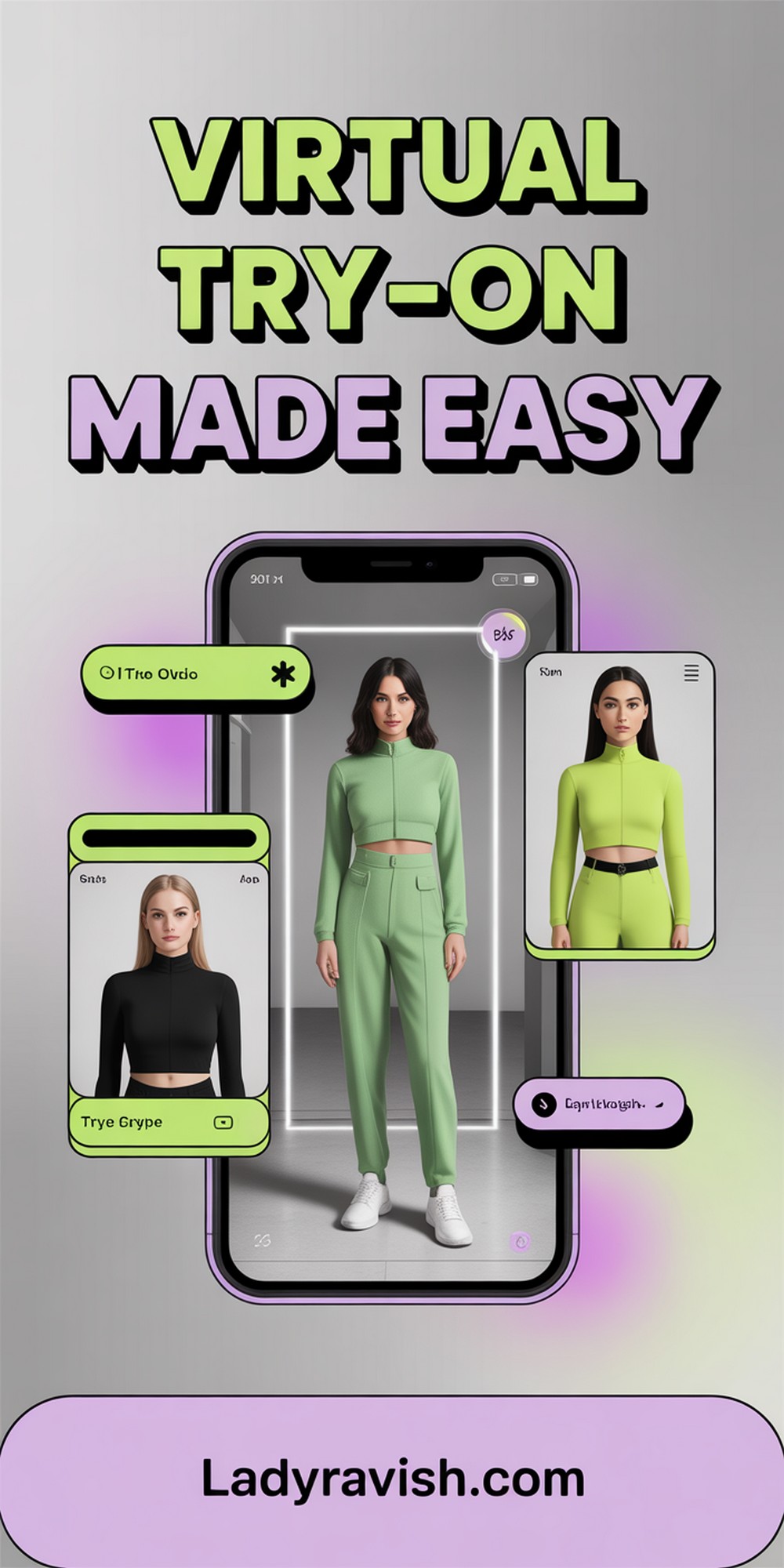
Augmented Reality (AR) is revolutionizing try-on experiences, giving consumers a chance to see how clothes look without stepping into a fitting room. AR tools are being integrated into fashion apps, allowing users to virtually style outfits or accessories. Pinterest-friendly content includes videos of AR demos, tech walkthroughs, and virtual try-on guides. Keywords like “AR fashion try-on,” “virtual dressing room,” and “tech fashion trends” make your content more searchable. Brands that combine technology with personalization are reducing returns and boosting shopper confidence. It’s not just futuristic—it’s functional. Augmented reality brings the shopping experience to life, right through your screen.
8. Seasonless Style: Promoting Fashion That Outlasts Trends
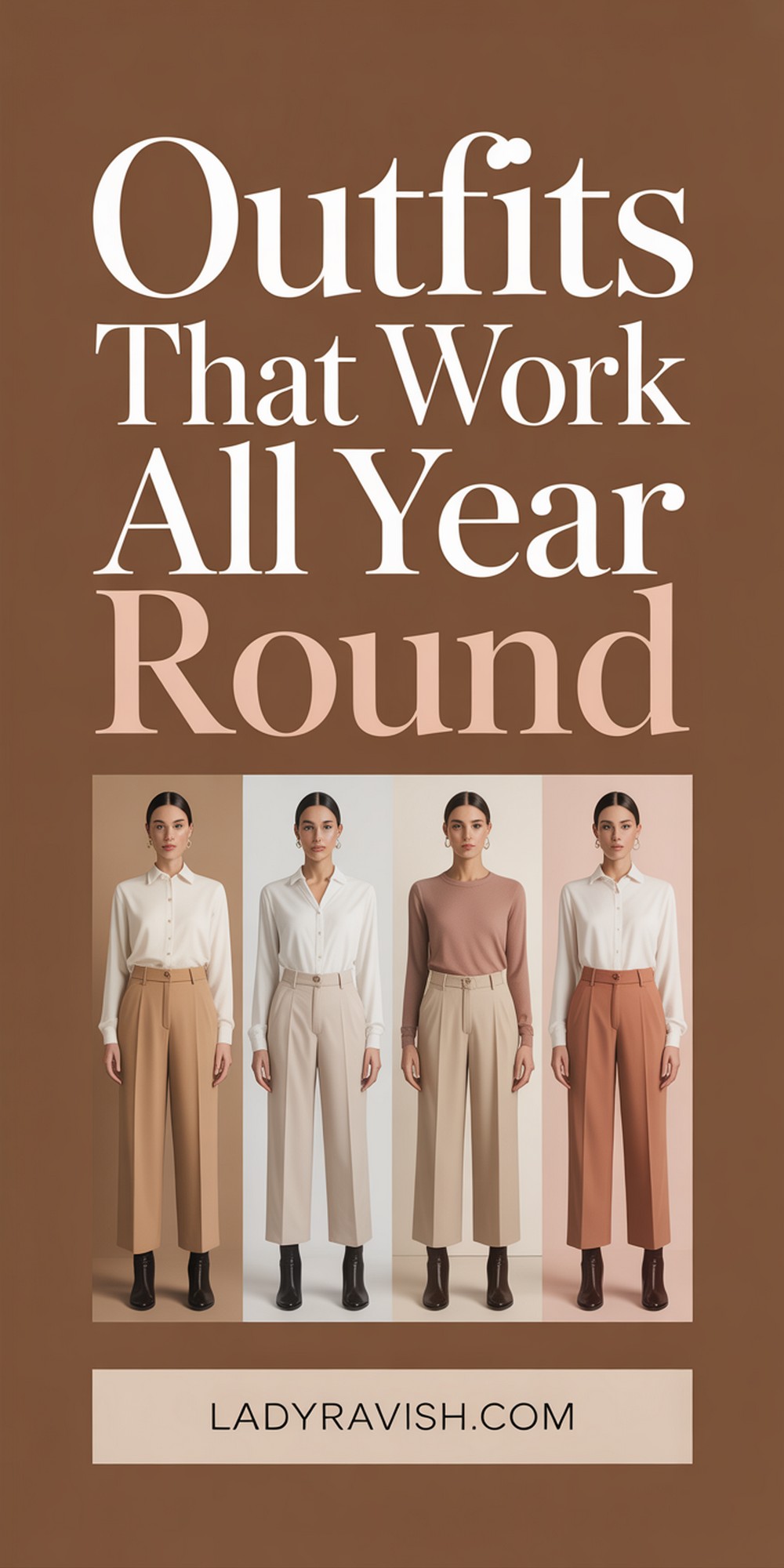
Timeless fashion is taking center stage as consumers prioritize longevity over fleeting trends. Seasonless style focuses on quality, versatility, and minimalism—offering pieces that work year-round. Pinterest is ideal for showcasing capsule wardrobes, layering hacks, and outfit remixing ideas. Use SEO terms like “timeless fashion,” “seasonless wardrobe,” and “versatile outfit inspiration” to drive traffic. Marketers are emphasizing how to wear the same staple in multiple ways, across climates and seasons. This strategy not only supports sustainability but appeals to budget-conscious shoppers too. Seasonless style isn’t about what’s hot—it’s about what lasts. And in today’s climate-conscious world, that’s what truly sells.
9. Color Palettes That Pin Themselves
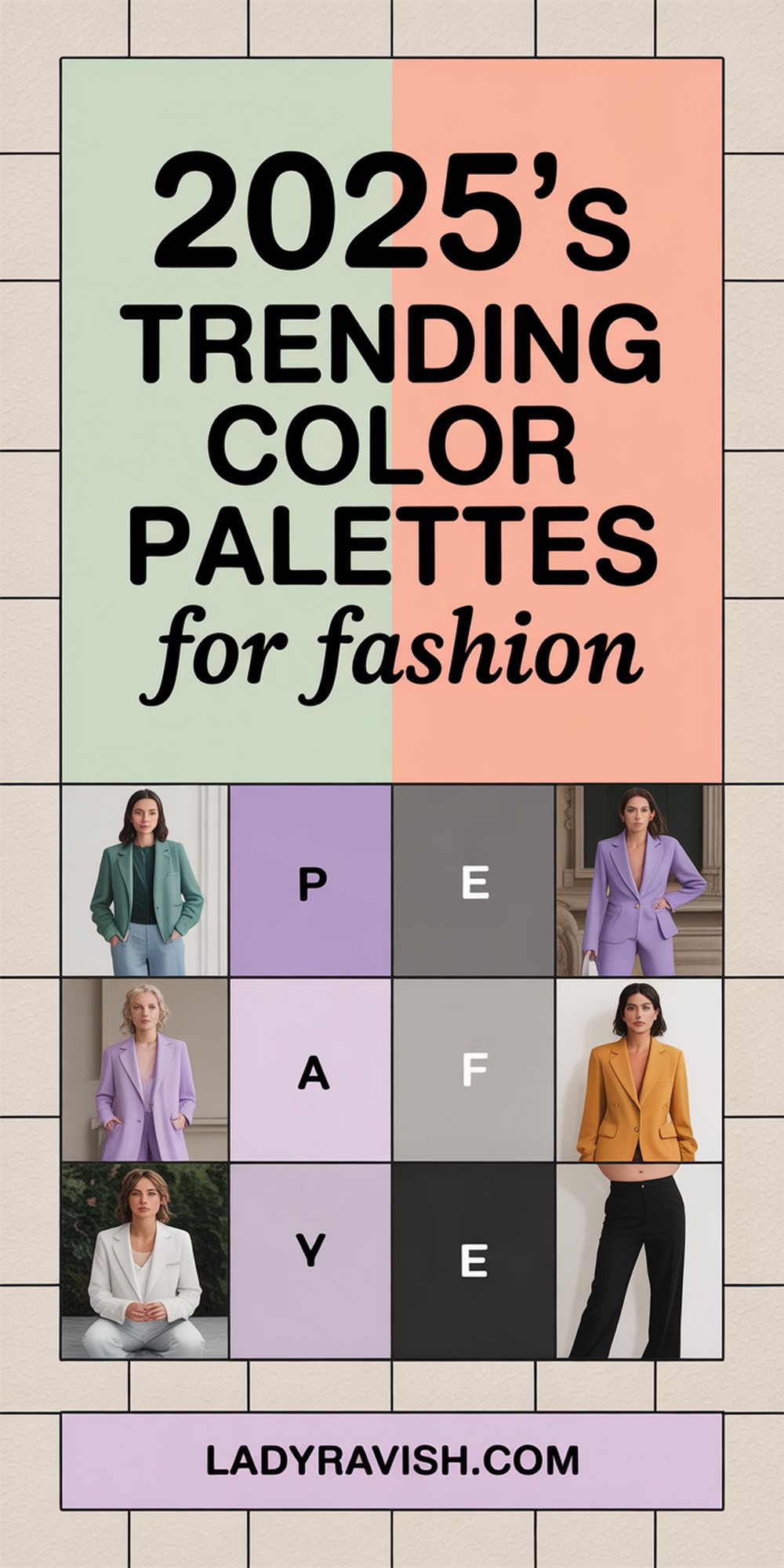
Color plays a crucial role in fashion marketing, and Pinterest users love visually harmonious palettes. From trending hues like sage green or terracotta to classic combos like monochrome or pastels, color-themed boards boost engagement and shares. Marketers are designing content around seasonal palettes, color psychology, and wardrobe planning. Incorporate keywords like “color palette fashion,” “outfit color combos,” and “wardrobe color scheme” for SEO success. Vibrant visuals and clean layouts help your content stand out and get pinned more often. Color isn’t just aesthetic—it’s emotional. Smart use of palette-driven content can guide shoppers toward style decisions while strengthening brand identity.
10. AI Stylists & Smart Recommendations are Here to Stay
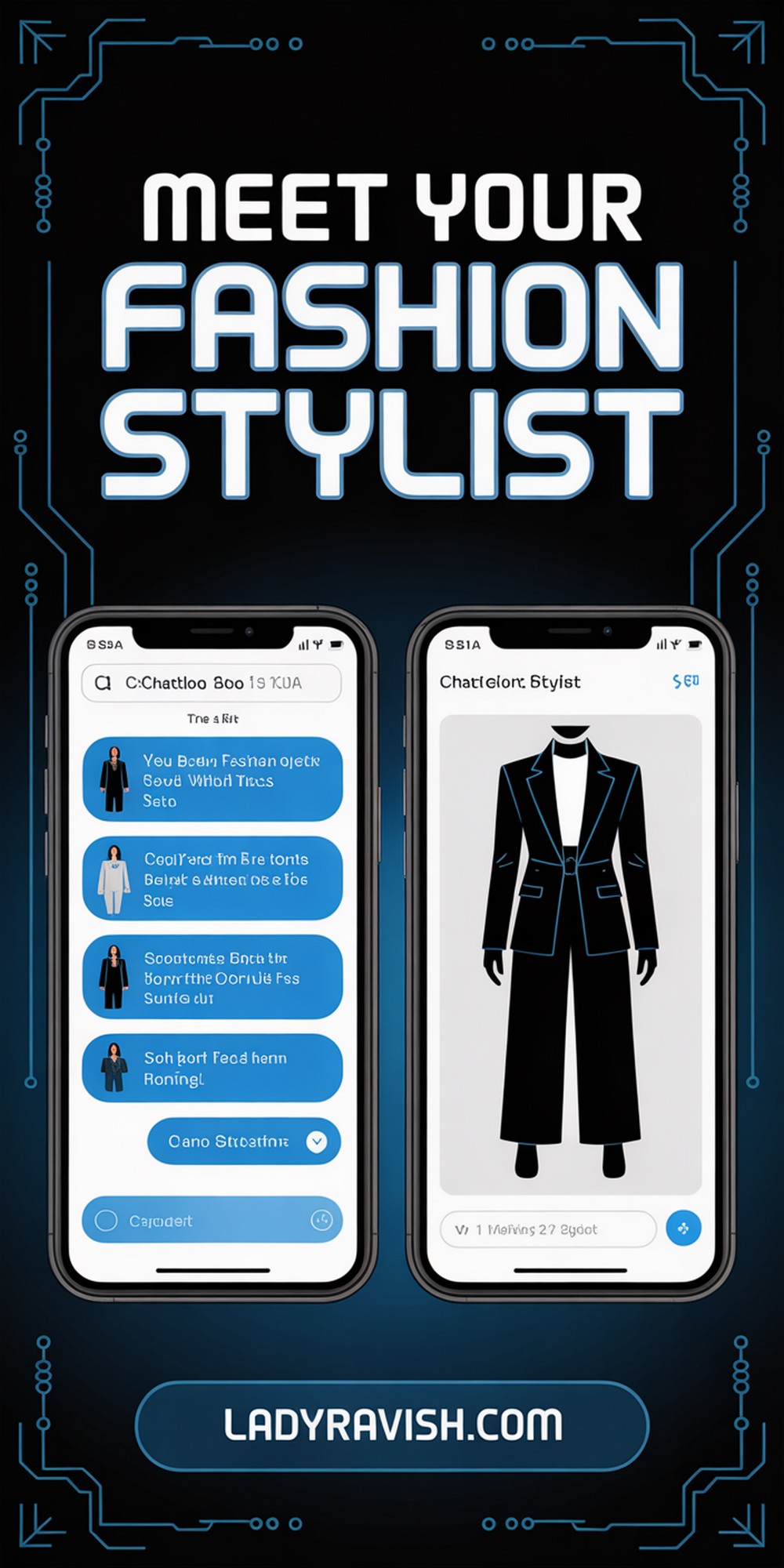
Artificial Intelligence is personalizing fashion like never before. From smart styling bots to predictive shopping feeds, AI tools offer tailored outfit recommendations based on user preferences. Brands are using this tech to enhance user experience and drive conversions. On Pinterest, AI-curated boards and customized feeds are becoming popular. Marketers should use keywords like “AI fashion tools,” “smart outfit ideas,” and “personalized fashion trends” to capture search traffic. Featuring demos, behind-the-scenes tech insights, and tutorials adds credibility. AI isn’t just for big brands—small labels are also tapping into the trend. It’s about making fashion feel intuitive, easy, and uniquely you.
11. Fashion Drops as Social Events: Hype-Driven Marketing
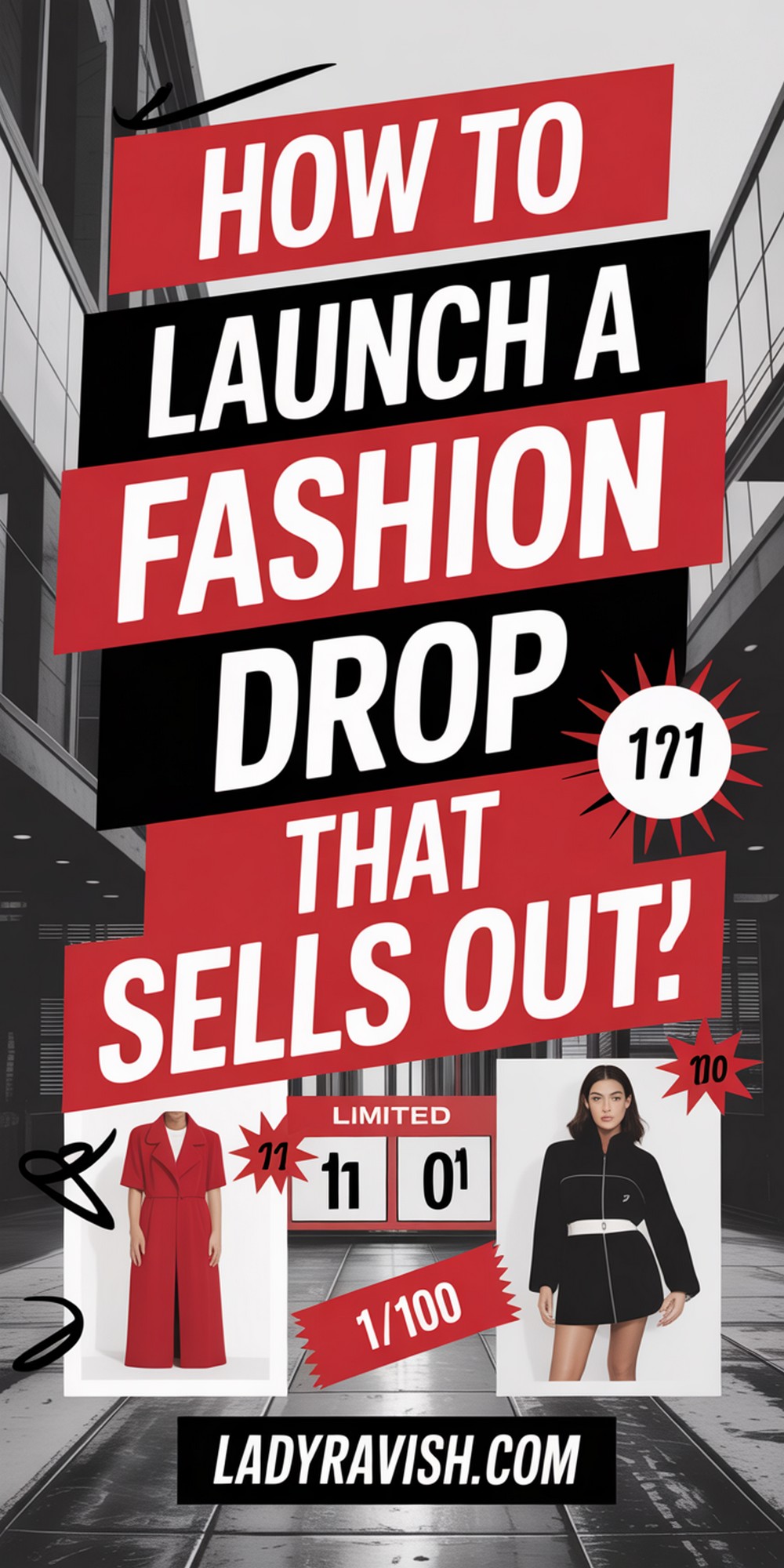
Fashion drops have evolved into full-scale events, driven by exclusivity and hype. These limited releases generate anticipation and urgency, leading to faster conversions. Pinterest-friendly strategies include countdown boards, sneak peeks, and pre-launch outfit planning guides. Use SEO keywords like “exclusive fashion launch,” “limited edition drop,” and “hype fashion event” to increase traction. Creating launch buzz with influencers, VIP access codes, and early-bird lists keeps the audience engaged. Drops aren’t just product releases—they’re moments. And when marketed with urgency and style, they can spark viral excitement. In fashion marketing, creating FOMO (fear of missing out) is a proven strategy.
12. Community is Couture: Building Loyal Style Tribes Online
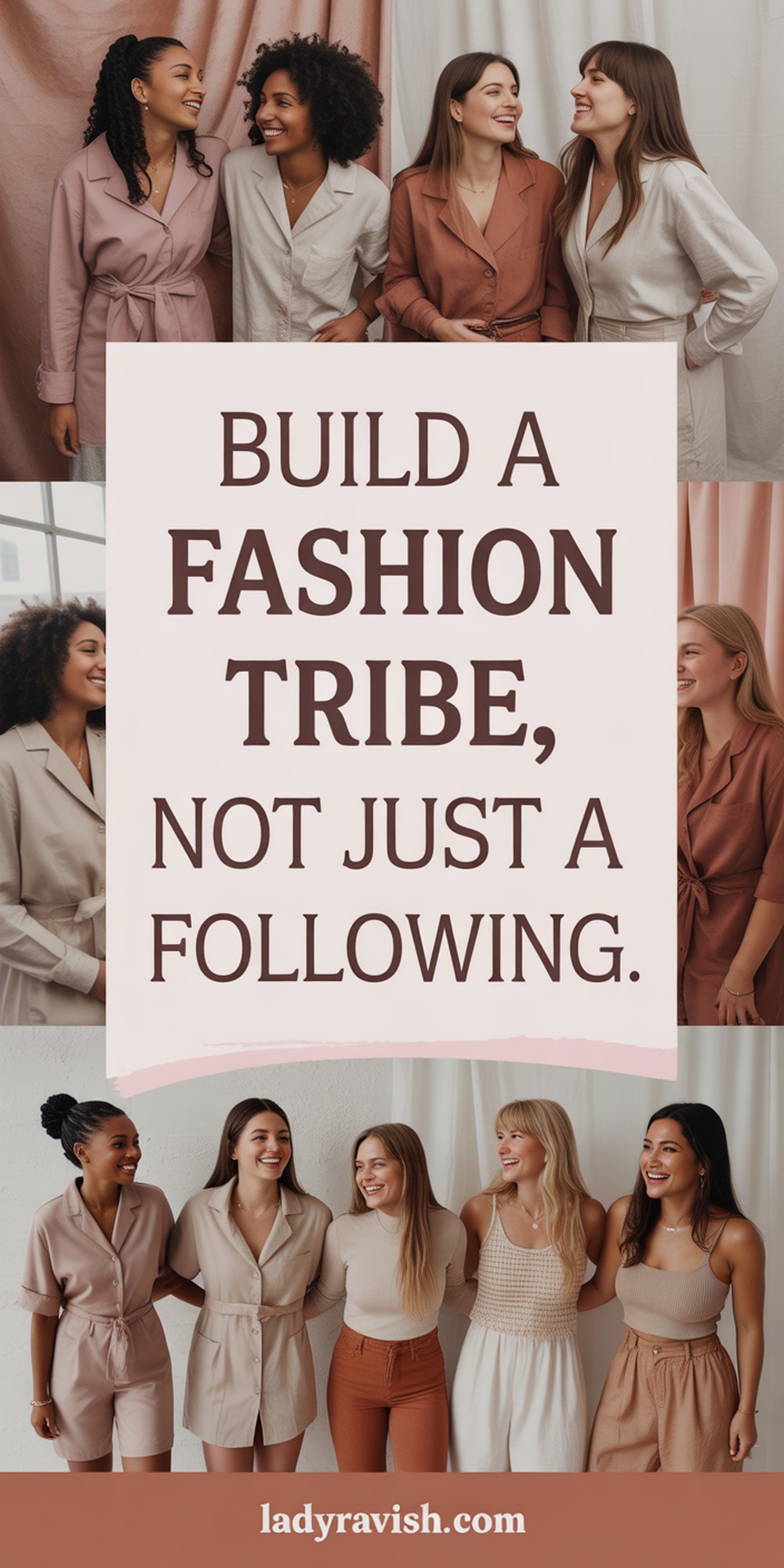
Fashion thrives on belonging—and community-driven marketing is how modern brands are growing loyal followings. Creating spaces where people feel seen, celebrated, and connected around shared style values builds trust. Pinterest is perfect for community curation, allowing brands to make themed boards, highlight customer stories, and foster inclusive fashion movements. SEO-friendly terms like “fashion tribe,” “inclusive style ideas,” and “community-driven outfits” increase discoverability. From plus-size fashion boards to ethical wardrobe shares, community-first content performs well. When your customers feel like they’re part of something bigger, they don’t just buy—they advocate. In 2025, connection is the most powerful fashion statement.